
Menopause Symptoms
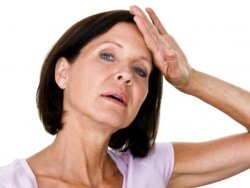
Menopause symptoms for some women are not too severe where others may suffer for many years with certain symptoms.
Women generally experience these symptoms during perimenopause and not menopause itself. Menopause is the time in which a woman has gone twelve consecutive months without a menstrual period.
By this point most menopausal symptoms have already been experienced and are either done or declining.
Approximately 70% of women experience some symptoms of menopause. Some of the more common ones include Hot Flashes / Flushes, Night Sweats, Irregular Periods, Loss of Libido, Vaginal Dryness and Mood Swings
Hot Flashes / Flushes
This menopause symptom, commonly known as a hot flash, is sometimes called a hot flush. It is the sudden sensation of extreme body heat.
It is generally accompanied by a reddened flushed face, neck and chest as well as profuse sweating. This particular menopausal symptom can sometimes be accompanied by anxiety, mild to severe heart palpitations, irritability and in some cases (although rare) a feeling of panick.
Hot flashes are the most common of all the symptoms with approximately 75 to 95% of women reporting having this symptom during the different stages of menopause.
They can occur during perimenopause but more commonly occur post menopause when estrogen levels have dropped below a certain point. Hot flashes can occur for 1 to 2 years after reaching menopause but can last for up to 5 years.
Women who have gone through chemotherapy, have had antiestrogen treatments or have had their ovaries removed are more likely to experience severe hot flashes. They can happen during the day but can occur at night which is known as night sweats.
Night Sweats
Night sweats are similar to hot flashes but occur only at night. The medical term for this menopausal symptom is called “sleep hyperhydrosis” or “nocturnal hyperhydrosis”.

Just like hot flashes the woman experiences the sensation of warmth but the night sweats tend to be more intense. In fact they can be so intense that it can disrupt sleep.
Women often awaken finding herself drenched in sweat. Night sweats can last for a few seconds up to a few minutes.
Although most women will experience both hot flashes and night sweats, there are certain changes you can make to minimize these menopause symptoms.
Things you should avoid in order to prevent or minimize hot flashes and night sweats include;
- Stress
- Caffeine
- Alcohol
- Spicy Foods
- Tight Clothing
- Heat
- Smoking
Some of these things are not always avoidable, such as stress and the heat. However, by reducing your intake of the other items can help reduce the occurrence of these menopause symptoms.



Irregular Periods
Menopause is reached when a women has gone twelve consecutive months without a menstural cycle. By this point most menopausal symptoms have already been experienced and are either done or declining.
Irregular periods occurs prior to reaching menopause. Almost all women will experience irregular periods during perimenopause. In fact, only about 10% of women will reach menopause without ever missing a period.
During this time women can experience irregular menstrual cycles. One month you may have an extremely short period lasting just a few days or can last for several weeks.
You may also see changes in the intensity of your menstrual flow. One month the bleeding may be very light (just spotting). The next next month you may experience an extremely heavy flow that can be accompanied by blood clots.
If you are not sure if your erratic periods are due to menopause symptoms or something more serious, consult with your doctor for advise.
Loss of Libido
A loss of sex drive is very common during menopause and effect 20 to 40% of women. The primary cause for the loss of sexual desire is hormonal.

As a women progresses through menopause, the body begins to decrease production of estrogen, progesterone and testosterone (or androgens).
This decreased production can reduce a woman's sex drive, cause vaginal dryness and hot flashes and night sweats. Although hormonal changes are the primary reason for this menopause symptom there are other causes that include physical, psychological and relational causes.
These include hysterectomy, medications, medical diseases, fatigue and stress just to name a few.
Vaginal Dryness
As the estrogen levels drop, your vaginal tissue becomes dry and you lose some of the elasticity. The elasticity is what allows women to give birth and have sex comfortably.
Additionally, your vagina begins to atrophy, or become smaller in width and length. This is also due to the lower levels of estrogen. With vaginal dryness sex can become uncomfortable and it may take longer to become lubricated.
In addition to the dryness a woman may experience vaginal itching, light bleeding during or after sex, painful sex and a general discomfort. Fortunately, vaginal dryness can be minimized with treatment.
The treatments for this menopause symptom can be as simple as an over the counter lubricant or natural supplements to help with the declining estrogen levels.
Or you can go more extreme (with higher risks) and consult with your doctor about a hormone replacement therapy (HRT).
Mood Swings
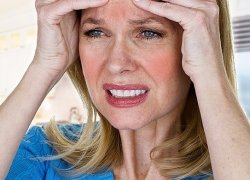
This particular menopause symptom is the one most men hope we women avoid. But unfortunately this is one of the more common symptoms with over 50% of women reporting mood swings.
Mood swings are when a person experiences an extreme or abrupt change in their mood. It could be anything from irritability to anxiety.
Mood swings during menopause can cause women to break out into tears, become depressed or melancholy.
They may experience increased stress and anxiety and even lose lack of interest or become less patient.
Generally these mood swings occur between the ages of 45 and 55 during the stages of menopause. The changing estrogen levels in a woman's body is the biggest contributor to this menopausal symptom.
According to medical research, estrogen plays a role in the production of serotonin. Serotonin is also known as the mood regulating neurotransmitter.
Estrogen effects the sensitivity of the serotonin receptor. This increases the serotonin receptor levels and increases serotonin production. Although the estrogen level is the primary cause for mood swings, they may also be caused by other symptoms.
Symptoms such as fatigue, stress, hot flashes, night sweats and physical changes to a woman's body can contribute to the different mood swings.
Other Menopause Symptoms
In addition to the common menopausal symptoms listed above, women will also experience many different changes. Some of these changes include;
- Irritability
- Fatigue
- Hair Loss
- Unwanted Facial Hair
- Trouble Sleeping
- Memory Loss and Lack of Concentration
- Light Headed, Dizzy, and Loss of Balance
Irritability, fatigue and trouble sleeping could also be due to lack of sleep caused by other symptoms such as night sweats. As with most of the symptoms of menopause, hair loss and unwanted facial hair is primarily due to loss of estrogen.
In fact, the reduced levels of estrogen are a contributing factor to all of the above items a woman may experience.
Other changes you may experience include weight gain, incontinence, bloating, allergies, brittle nails, change in body odor, irregular heart beat, depression, anxiety and a sense of panic.
Click here to read more about changes during menopause.
Additional Articles
Stages of Menopause
Not sure what stage you are in during this change of life? Read this article to learn more about the stages of menopause.
Weight Gain After Menopause
Gaining weight after going through menopause is not that uncommon. Unfair as it is, there are certain changes a woman goes through that
makes keeping the weight off harder.
Senior Strength Training
Strength training is important to adults of all ages. But as we age, it
becomes even more important. Learn why strengthening your body as a senior is important.