
Changes During Menopause
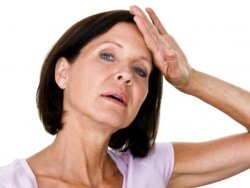
The changes during menopause are many. There are the common menopausal symptoms that many women experience.
These include hot flashes, night sweats, mood swings, vaginal dryness, loss of libido and irregular periods.
These however are just the most common menopause changes and symptoms that a woman may experience.
If these symptoms weren't enough to make any sane person insane, there are many more changes that a woman may or may not experience during the stages of menopause. These changes include feeling fatigued, anxious and depression.
Additionally a woman may experience hair loss, sleeping disorders, difficulty concentrating, changes in body order and weight gain.



Hair Loss and Gain
This is one change during menopause women may notice before any other menopausal symptom. You may find your hair on your head and body is thinning. The hair may also become dryer and more brittle.
If this wasn't bad enough, you may find you are getting hair where it is unwanted – on your face! These unwanted hairs are not your typical soft almost invisible hairs that many women have.
Instead, the hair is turning darker and more coarse which is a more typical characteristic of a man's facial hair.
The reason for both thinning hair and the unwanted hair is once again due to changes in your hormones, particularly estrogen and testosterone levels. When a woman is in her reproductive ages (premenopause) the estrogen levels are higher than the testosterone levels.
However, as the estrogen drops the ratio of estrogen to testosterone is no longer able to keep the level of dihydrotestosterone (DHT) low. It is this hormone (DHT) that causes thinning of your hair on the head and body and the growth of unwanted facial hairs.
Trouble Sleeping
Trouble sleeping is just one of many changes during menopause that women experience. You may find yourself awakening several nights as you transition into menopause.
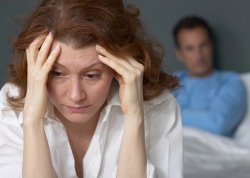
It was first believed that this disruption in sleeping was due primarily to night sweats. However, women without night sweats can also have interrupted sleep.
Once again the estrogen and progesterone hormones play a big role in your lack of sleep during perimenopause and menopause.
When estrogen levels decline, the production of magnesium slows down which helps relax muscles.
Additionally, lower levels of estrogen have been linked to sleeping disorders like sleep apnea and disturbing breathing during sleep. Progesterone also impacts a woman's ability to get a good nights sleep.
Declining levels of progesterone have been linked to the inability to fall asleep within a half hour and insomnia. This is primarily due to the fact that progesterone has a sleep inducing effect.
So as these levels become lower, your ability to fall asleep and stay asleep become more difficult.
Mental Confusion
Mental confusion can include lack of concentration, memory loss and feeling disoriented. We all have moments where we lose our keys or forget where we have placed something.
There are even times when you can't seem to concentrate or feel disoriented and confused. For women going through the “change of life” this is just one more added frustration to a list of many menopausal symptoms.
One reason that you may experience more times of forgetfulness or the inability to concentrate on everyday tasks is due to changes in the estrogen levels. There are several neurotransmitters that regulate our cognitive function. Our cognitive function helps with memory and the ability to concentrate.
Estrogen plays a role in the production of these neurotransmitters (Acetylcholine, serotonin, and norepinephrine). When estrogen levels are higher the more of these neurotransmitters are produced. Which means as our estrogen level decreases so does the production of these three neurotransmitters.
Additionally estrogen plays a role in blood flow to the brain. With this blood flow disrupted you may experience disorientation or mental confusion. This is also part of the underlying cause of dizziness, another change during menopause that women experience.
Dizziness

This last symptom on this page is not the last of the changes during menopause that women experience. There are many different symptoms, but this is the last of the common ones covered in this article.
When you experience dizziness you may feel a spinning sensation and/or feel light headed. At these times you may become unstable and lose your balance.
Even though this is not as well known as hot flashes as one of the many menopausal changes, it is just as common. Many women have reported episodes of dizziness and vertigo.
This feeling of dizziness can happen when you sit or stand too quickly. The episodes can come on quickly but generally only last for a few seconds.
Many people can experience the sense of spinning, or vertigo, if one or more of the body's balance control centers are not working properly.
Some of the most common reasons outside of menopause include inner ear infections, cardiovascular disruption, issues with your visual input (eyesight) or the sensory nerves in your muscles, skin and joints are not sending the right signals to the brain.
For women going through the stages of menopause, these episodes of dizziness or loss of balance can be caused by the changes you are going through. For one, your estrogen level is decreasing and can lead to vertigo.
Menopause can also cause changes in your blood vessels nervous system which can lead to the dizziness, feeling light headed and loss of balance.
In addition to understanding these changes during menopause, be sure to read about the stages of menopause.
Additional Articles
Weight Gain After Menopause
Gaining weight after going through menopause is not that uncommon. This doesn't mean you will gain weight, it just means you have to work
harder to lose the weight.
Weight Loss Over 40
As we age our metabolism slows down. This can make losing weight even harder. Use these tips to ensure you lose weight even after the age of 40.
Senior Stretching Exercises
These chair stretches are perfect for seniors or those with physical limitations. You can even do these if you have had a long day and want to get off
your feet but still get in your daily stretching routine.